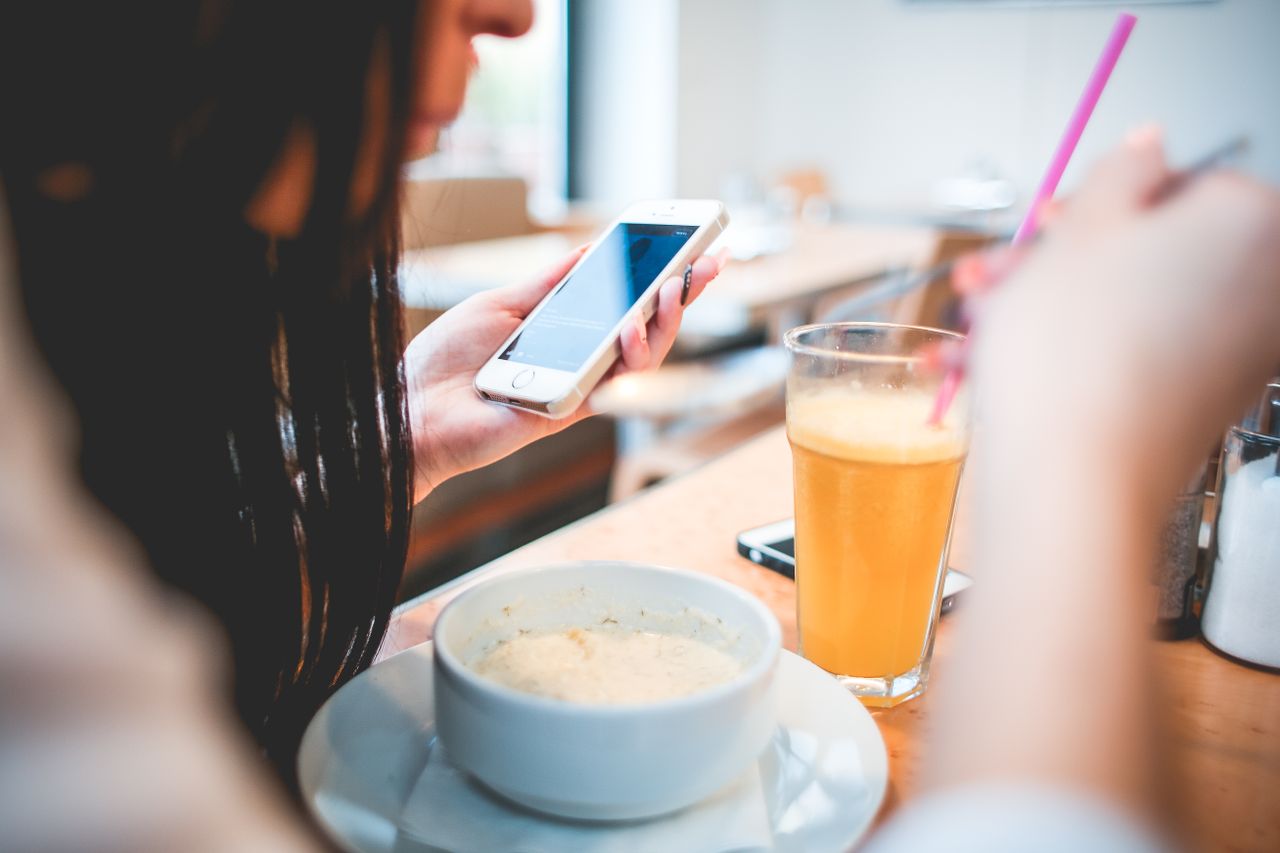
A restaurant loyalty app works better than a loyalty card for most UK independents because it captures the customer's contact details, cannot be lost or forgotten, and lets you message people who have stopped visiting. A paper card still wins for a single-site café with older regulars and no online ordering.
Loyalty is worth fighting for. Mintel reports that 80% of UK consumers actively used at least one loyalty programme in 2025. Yet hospitality customers are not especially faithful: Zonal and CGA's GO Technology research found the average consumer feels loyal to just 2.1 hospitality brands, and 31% of restaurant, pub and bar customers are open to switching to a competitor.
The question is not whether to reward regulars, but which format keeps them.
What is the difference between a loyalty app and a loyalty card?
A restaurant loyalty card is a physical stamp or punch card: buy nine, get the tenth free. A restaurant loyalty app does the same job digitally, usually inside your ordering app or as a QR code scanned at the till, with points or stamps stored against the customer's account.
The reward can be identical. The difference is what you learn and what you can do with it.
The case for a loyalty card
Cards are cheap, instant and need no explanation. There is no download, no sign-up screen and no battery. For a village café whose regulars are in three times a week, a card in the wallet does the job for the price of a print run.
Cards also feel personal. A barista stamping a card is a small daily interaction that an app cannot copy.
The case for a restaurant loyalty app
An app turns loyalty from a discount into a marketing channel. Every stamp is tied to a name, an email address and an order history. That means you can:
- Message customers who have not ordered in 30 days.
- Reward the behaviour you actually want, such as ordering direct instead of through a marketplace.
- Offer double points on a quiet Tuesday and switch it off on Friday.
- See which rewards drive repeat orders and which are dead weight.
Customers want this contact. In the same GO Technology survey, 54% said they wanted to hear about deals and rewards from venues, ahead of new menu items (44%) and price changes (39%).
Which one keeps customers coming back?
Younger customers are the swing group. Zonal found 41% of 25 to 44-year-olds were likely to switch venues, against 16% of over-65s. That middle group lives on their phone, orders online and forgets paper cards in a coat pocket. An app meets them where they already are.
The honest caveat: an app only works if people download it. Pair it with online ordering so the loyalty sign-up happens at checkout, not as a separate ask.
Can you run both?
Yes, and many independents do during a transition. Keep the card at the counter for walk-ins, run the app for online and app orders, and let staff offer to "move your stamps to the app" so the customer never loses progress. Within a few months most regulars migrate on their own.
The bottom line on restaurant loyalty app vs loyalty card
A restaurant loyalty app beats a loyalty card when you sell online, want to win back lapsed customers or need to know who your regulars actually are; a card is enough when you do not. OrderApps builds loyalty stamps, points and push notifications into its branded restaurant app, so UK independents can reward regulars and reach them again without a second system.
Ready to grow your food business?
Commission-free online ordering, a branded restaurant ordering app, table booking and EPOS on one platform, with plans from £19/month.