Hospitality EPOS systems share a core of order taking, payments and reporting, but the right one depends on your venue: restaurants need table and course management, cafés need speed and modifiers, bars need tabs and quick keys, and takeaways need online orders and delivery tools.
The pressure to get this right has never been higher. The Hospitality Market Monitor from CGA by NIQ and AlixPartners recorded 62 net closures a month in the first half of 2025, with food-led venues down 2.9% year on year. UKHospitality warned in January 2026 that a further 2,076 venues could close this year without business rates relief. Better data on margins, labour and stock is one of the few levers an independent controls.
What do all hospitality EPOS systems have in common?
Every system should give you integrated card payments, a menu you can edit from your phone, staff permissions, and daily reports by product and hour. UK Finance's Payment Markets Report 2025 found contactless made up 39% of all UK payments and cash only 8%, so a card reader that talks directly to the till is not optional.
Restaurant EPOS: tables, courses and bills
A restaurant EPOS lives or dies by its floor plan. Staff need to open a table, fire starters and mains separately, move guests between tables, and split a bill four ways without a calculator. Lumina Intelligence's Eating and Drinking Out Panel put average spend per restaurant visit at £18.35 in the first quarter of 2026, up 5.5%, so a till that nudges upsells at the table earns its keep.
Look for QR table ordering and booking integration, so reservations, orders and payments sit in one customer record.
Café EPOS: speed and modifiers
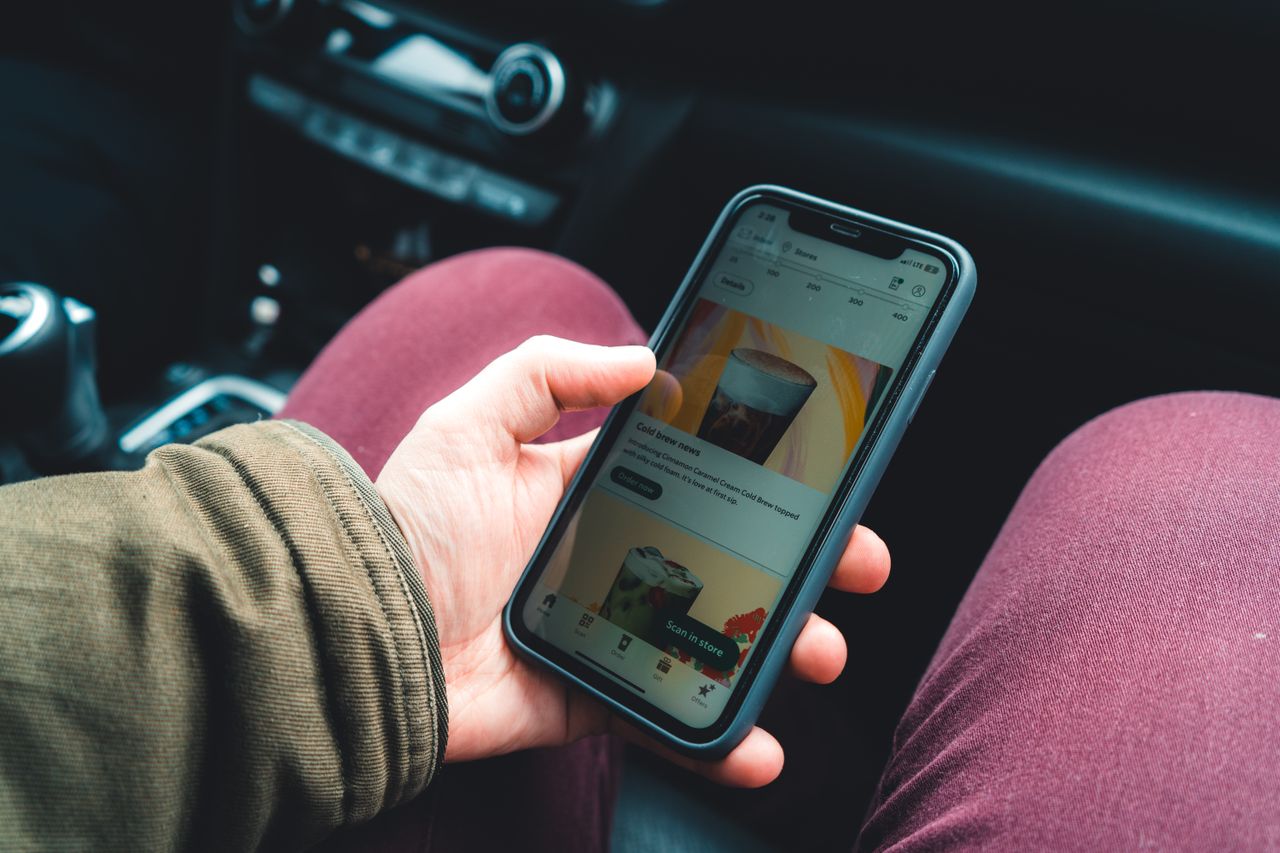
A café till needs drink modifiers on one screen, a loyalty scheme tied to the customer, and order-ahead so regulars skip the queue. Table management matters far less than transaction speed.
Bar and pub EPOS: tabs, rounds and quick keys
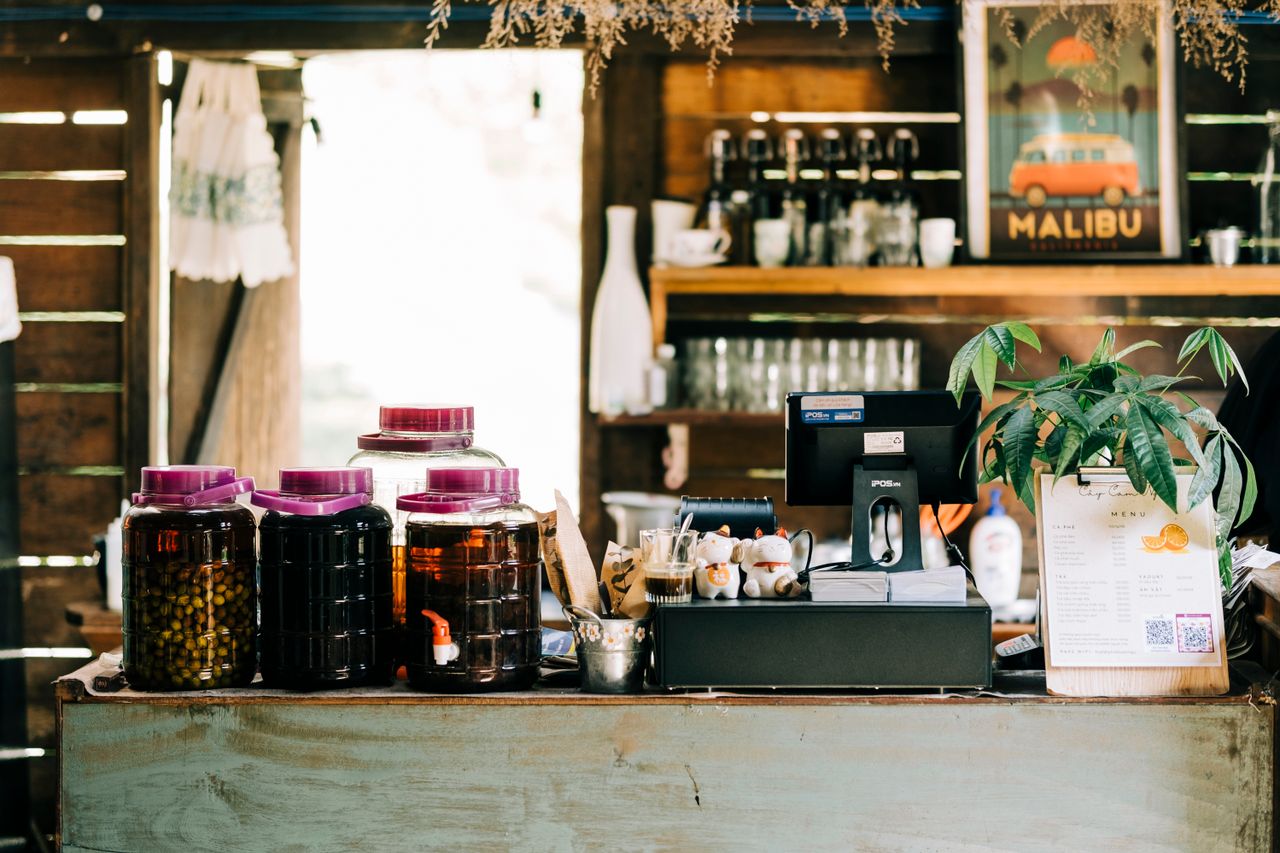
Bars need open tabs held against a card, one-tap buttons for the top 20 drinks, and fast wet stock reporting to catch waste and over-pouring. Pubs that serve food need both the bar layout and the restaurant course flow.
Takeaway EPOS: online orders and delivery
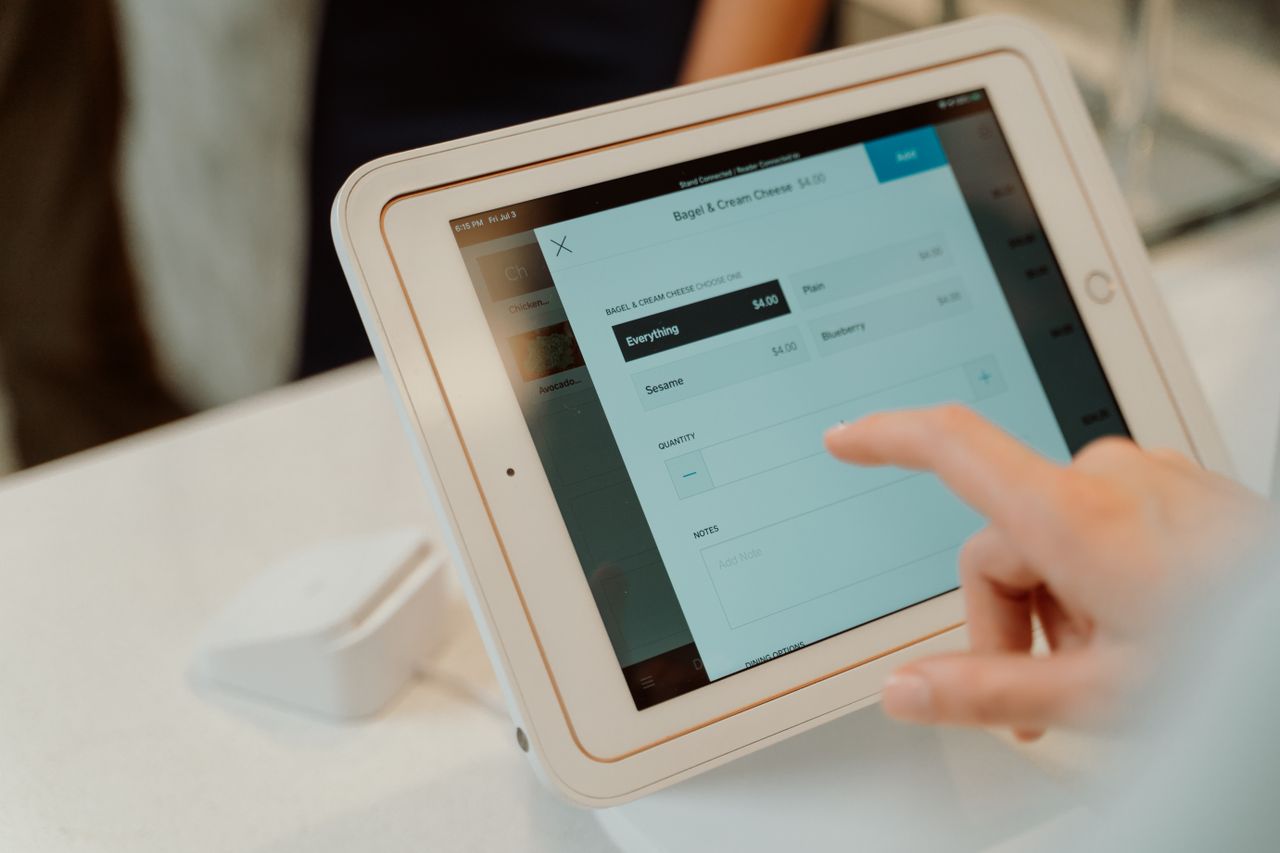
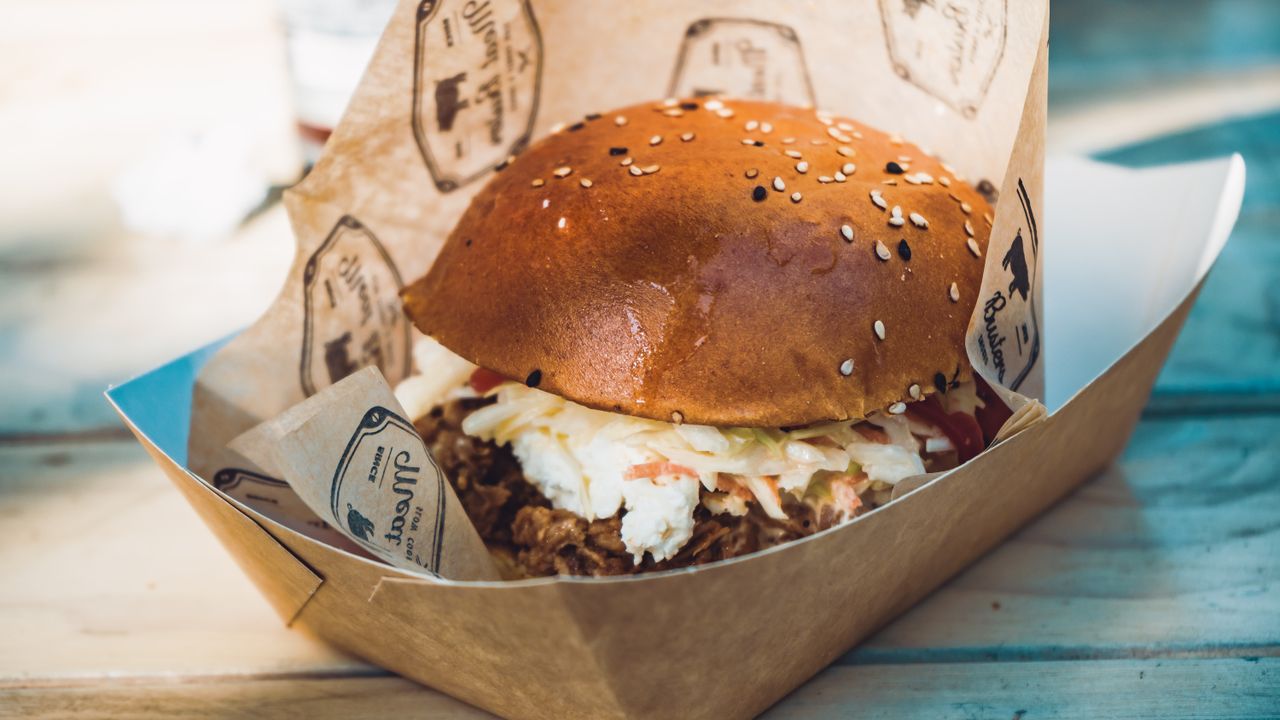
Takeaways need website and app orders arriving on the same screen as phone and counter orders, caller ID, delivery zones and driver tracking. Any hospitality EPOS a UK takeaway chooses should treat online ordering as part of the till, not a separate tablet.
Cloud EPOS or legacy till?
Legacy tills store data on the box in the corner; cloud systems store it online and run on tablets. The practical differences are:
- Cloud systems let you change menus and see sales from anywhere, on any device
- Updates and new features arrive automatically rather than through an engineer visit
- Hardware costs are lower because standard tablets replace proprietary terminals
- Online ordering, loyalty and kitchen displays plug in natively
- If the internet drops, a good cloud system keeps trading offline and syncs later
Legacy tills still suit a venue with no online ambitions and a paid-off system, but they rarely make sense for a new purchase.
Choosing between hospitality EPOS systems
The best hospitality EPOS systems are built for your venue type but share one cloud platform, so a café that starts doing delivery, or a pub that adds a restaurant, does not need to start again. OrderApps offers a cloud EPOS for restaurants, cafés, pubs and takeaways with online ordering, table booking and a kitchen display included, so you choose the layout that fits and keep the same system as you grow.
Ready to grow your food business?
Commission-free ordering, branded apps, bookings, and EPOS on one platform.