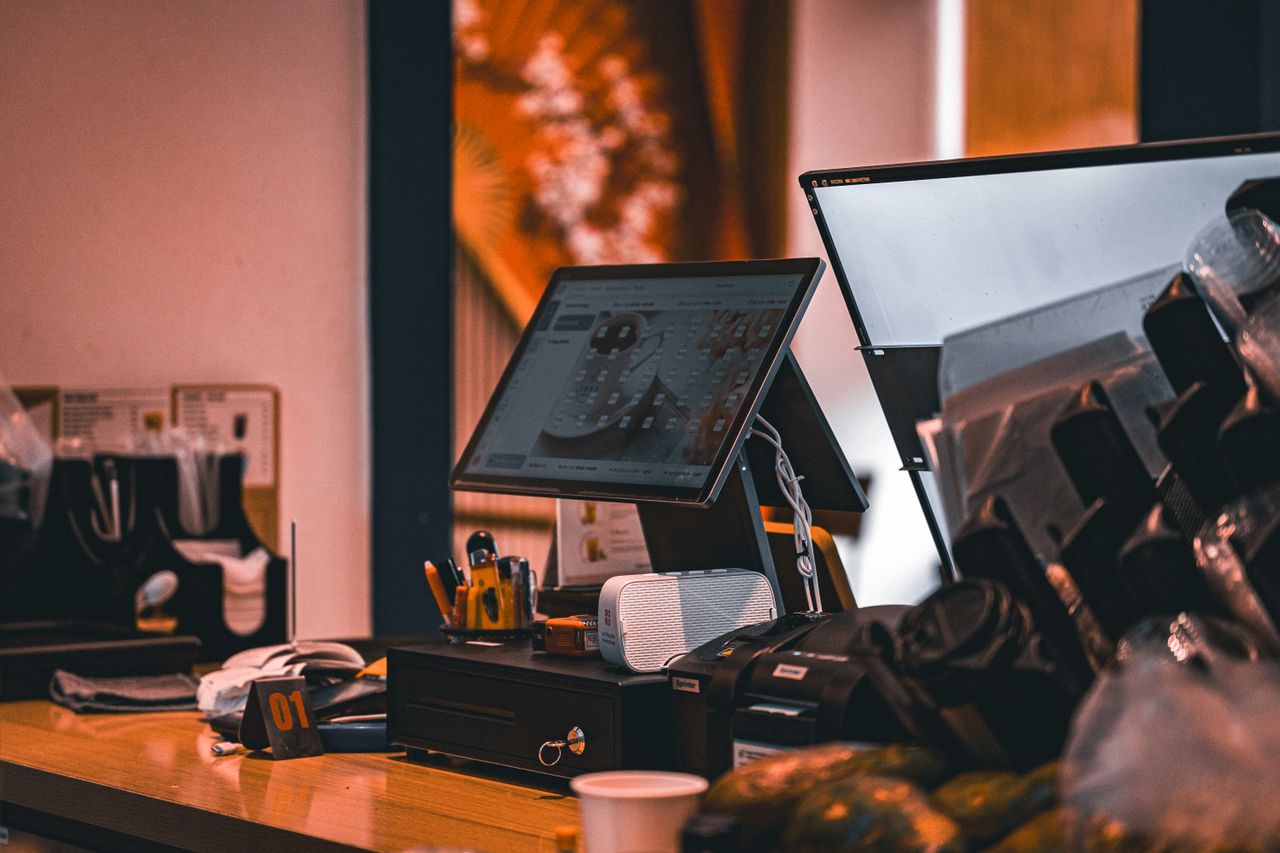
An EPOS system (electronic point of sale) is the modern till: software and hardware that takes orders, processes card and cash payments, prints or displays kitchen tickets, tracks stock and reports your sales, all from one screen. If you are asking "what is an EPOS system" for your food business, think of it as the hub every other tool plugs into.
Cash is no longer the default. UK Finance's UK Payment Markets 2025 report shows cash made up just 9% of UK payments in 2024, while debit cards took 53% and contactless 39%. Half of UK adults now regularly pay with Apple Pay or Google Pay. A till that cannot take a tap from a phone is already losing sales.
EPOS meaning: what the letters stand for
EPOS stands for electronic point of sale. "Point of sale" is simply the moment a customer pays. "Electronic" means the sale is recorded digitally rather than on a paper roll, so every transaction feeds straight into your reports.
You will also see "POS" and "ePOS" used. They mean the same thing.
What does an EPOS system do in a food business?
A modern EPOS does far more than add up a bill. In a typical day it will:
- Take dine-in, collection and delivery orders on a touchscreen or tablet
- Send tickets to the kitchen printer or kitchen display screen
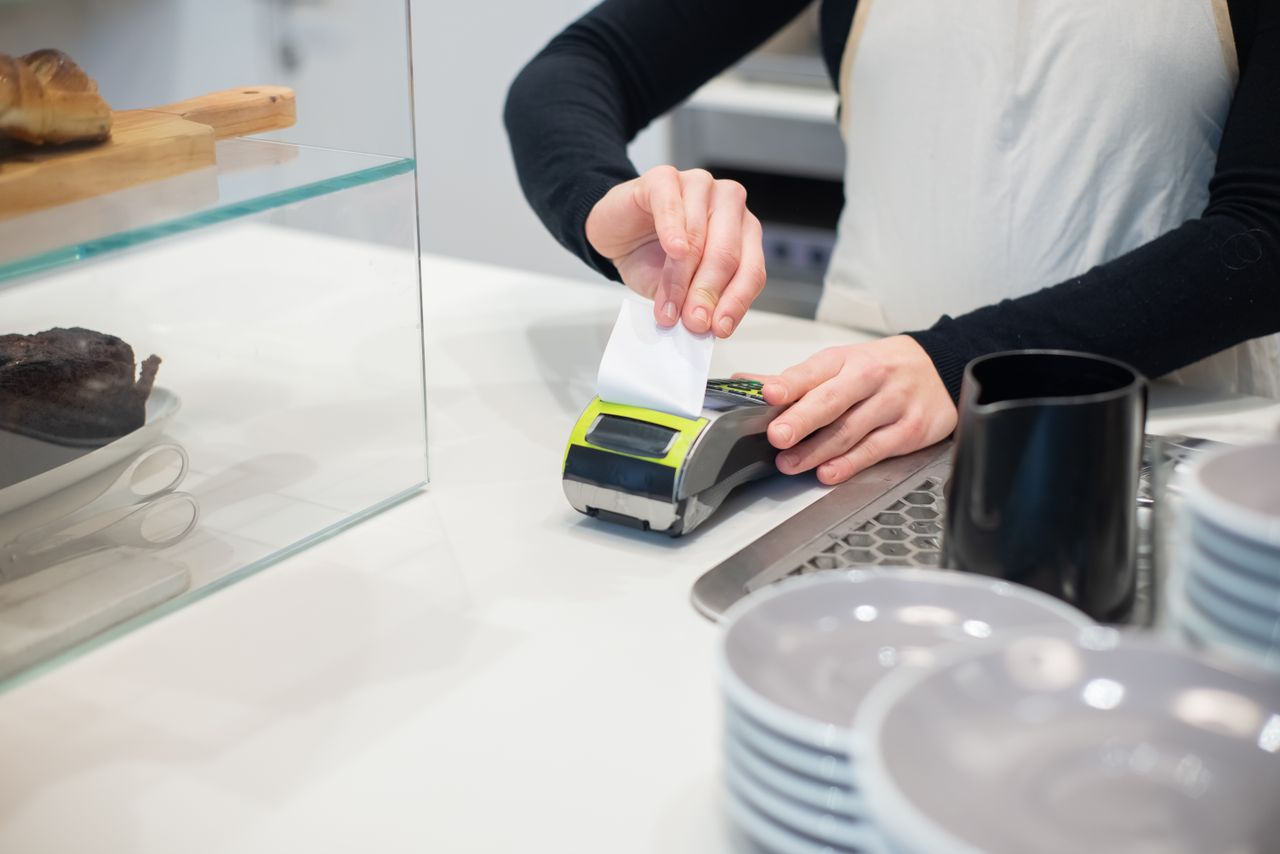
- Process card, contactless, mobile wallet and cash payments
- Apply discounts, loyalty rewards and split bills
- Report sales by item, hour and staff member
Because everything is recorded, you can see which dishes actually make money and when you are overstaffed.
Cloud EPOS vs traditional tills
Traditional EPOS systems store data on a machine in the shop. If it fails, your records go with it, and you can only see reports on site.
Cloud EPOS systems run on tablets or standard touchscreens and store data online. You can check takings from your phone, update menu prices in seconds, and swap a broken tablet for a spare in minutes.
How much does an EPOS system cost in the UK?
Expect three cost lines. Hardware for a single terminal, card reader, cash drawer and printer usually costs £500 to £1,500. Software subscriptions run from around £30 to £100 per month per till. Card processing typically sits between 1% and 2% per transaction, depending on your volume and provider.
Beware of long hardware leases and locked-in payment contracts. A three-year deal with early exit fees can cost more than the terminal itself.
Why should online orders and bookings run through the same EPOS?
Many independents run a separate tablet for each ordering channel and retype orders into the till. That leads to mistakes, missed orders and reports that never add up.
Choosing an EPOS system that connects to your website ordering, app, QR table ordering and table bookings means one menu, one price list and one set of figures. It also lets loyalty points earned online be redeemed at the counter, which is what customers expect. Takepayments' 2025 UK dining report found 59% of diners still prefer paying a member of staff, so a fast, joined-up till remains essential even as digital ordering grows.
So, what is an EPOS system worth to you?
The answer to "what is an EPOS system" is simple: it is the operating centre of your food business, not just a till. OrderApps includes a cloud EPOS with a kitchen display, online ordering, table booking and loyalty in one connected platform, so every order lands in the same place.
Ready to grow your food business?
Online ordering system, a branded restaurant ordering app, table booking and EPOS on one platform, with plans from £19/month.