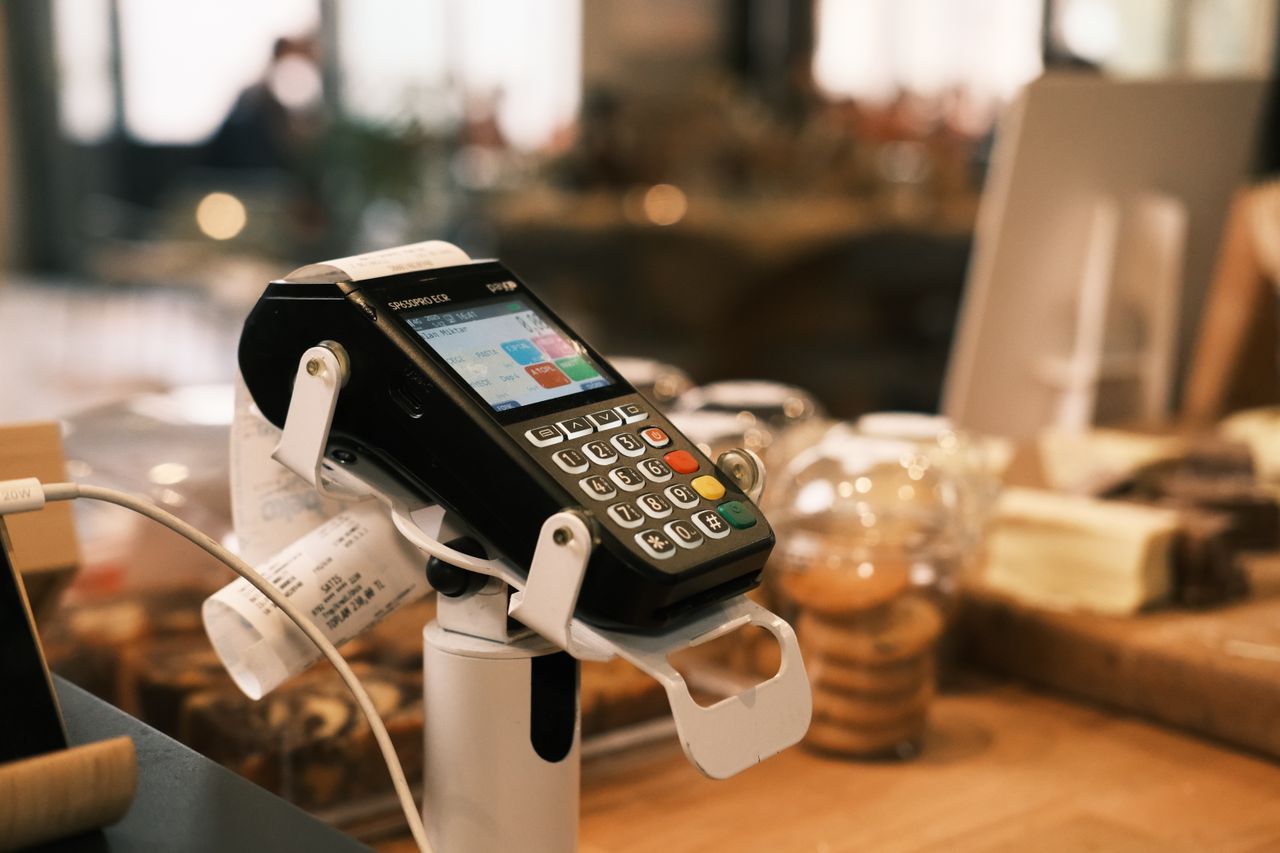
An EPOS till system replaces a cash register with a touchscreen that takes card and mobile payments, sends orders to the kitchen, tracks stock and reports sales in real time, while a traditional till only records what was rung in and holds the cash.
The cash drawer is already the exception. UK Finance's Payment Markets report for 2025 found cash made up just 9% of UK payments in 2024, down from 23% in 2019, while 57% of adults were registered for a mobile wallet. Zonal and CGA's GO Technology survey of 5,000 consumers in October 2025 found 34% now prefer to order and pay from the table via an app or website. A till that cannot talk to those channels is a bottleneck.
What is an EPOS till system?
EPOS stands for electronic point of sale. In practice it is a tablet or touchscreen, a card reader, a receipt printer and software that ties them together. A cloud EPOS till stores every sale online, so you can see today's takings from your phone and add a new dish from home.
A traditional till is a keypad, a drawer and a paper roll.
What changes day to day?
The switch changes more than payments. Here is what a small restaurant notices in the first month:
- Orders go straight to a kitchen printer or screen, so nobody re-keys a handwritten ticket
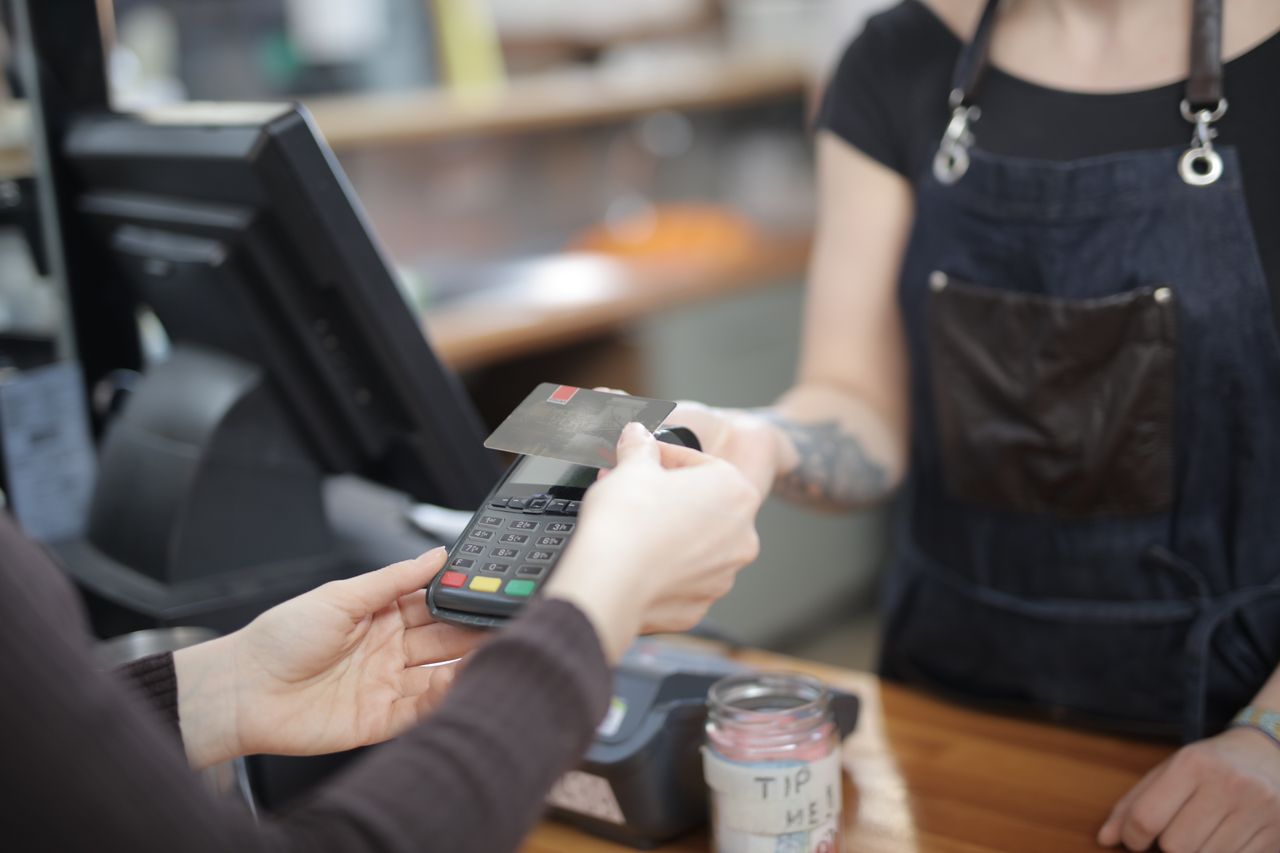
- Card, contactless and wallet payments settle in one place, with tips and splits handled on screen
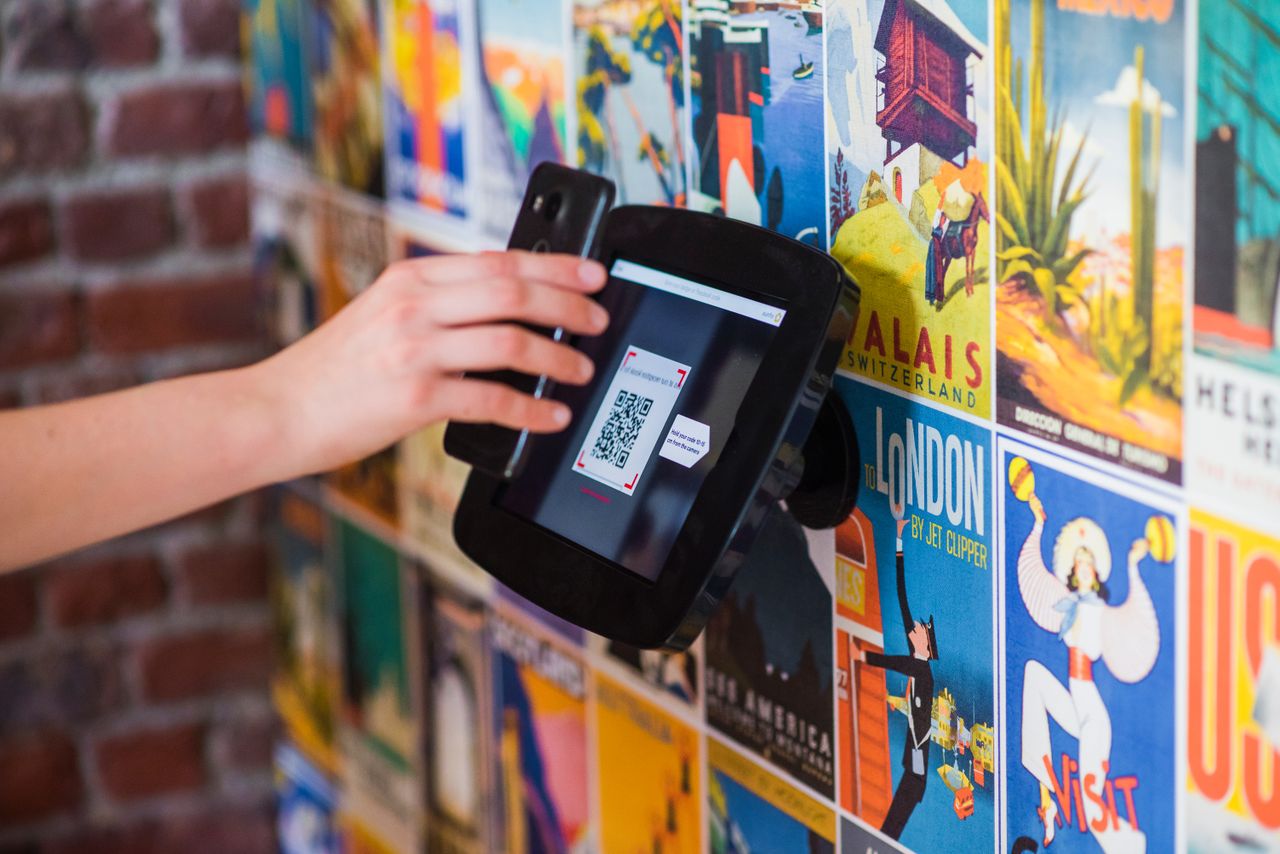
- Online, app and QR table orders land in the same queue as counter orders
- Stock counts down as items sell, and the menu updates everywhere when something runs out
- End-of-day reports show best sellers, quiet hours and staff sales without cashing up by hand
Does a cloud EPOS till cost more than a traditional till?
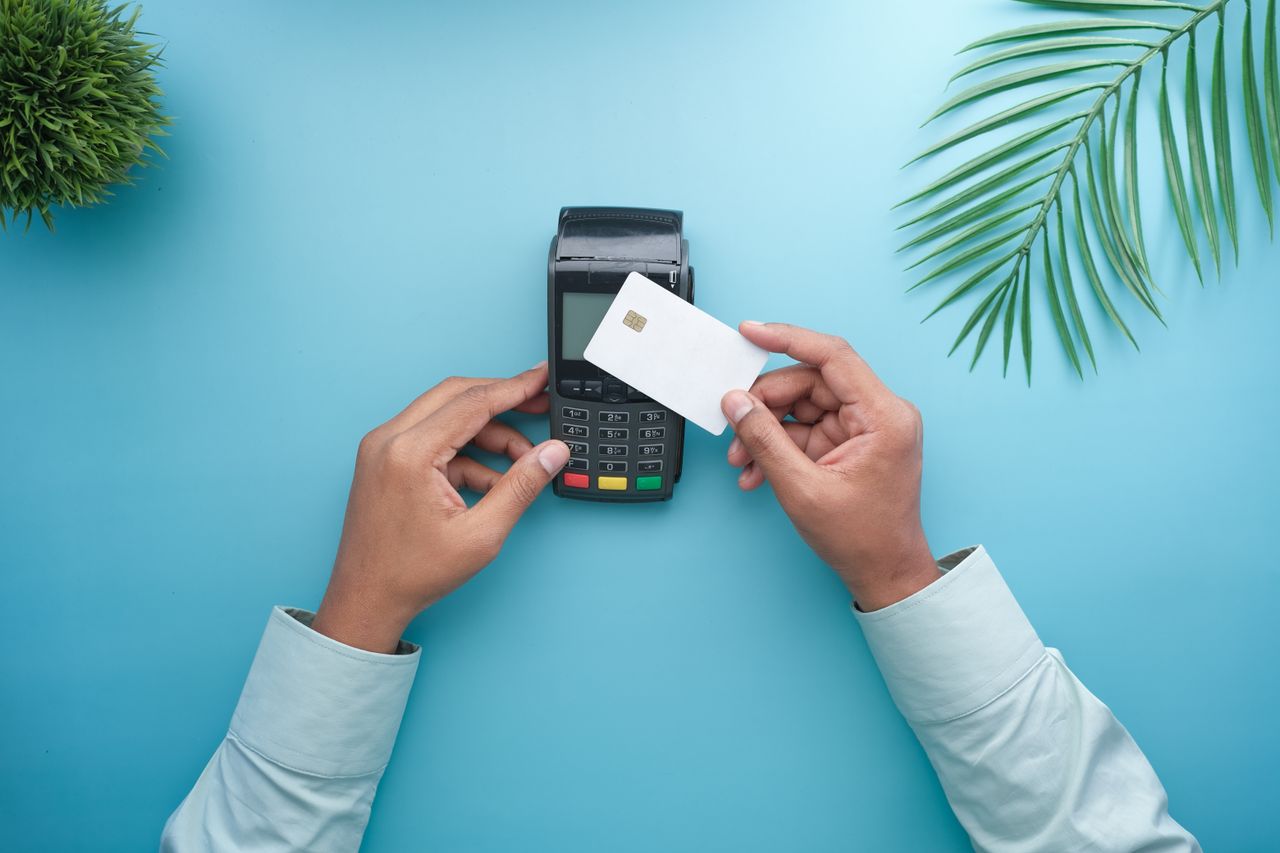
Upfront, sometimes. A basic cash register costs under £200 outright; a tablet-based EPOS till with card reader and printer typically involves hardware plus a monthly software fee.
Cashing up, reconciling card slips and copying orders to the kitchen add up to hours each week. Barclays' hospitality data from June 2026 showed restaurant transactions down 2.7% while spend edged up 0.4%, meaning fewer visits at a higher ticket. Losing even one of those tickets to a mis-keyed order costs more than a month of software.
When is a traditional till still enough?
If you take a handful of orders an hour, run no online ordering and never plan to, and are happy checking stock by eye, a cash register will do.
The moment you add online ordering, a second member of staff or a kitchen you cannot shout into, an EPOS till system stops being optional.
Mistakes to avoid when switching
Buying an EPOS till that does not integrate with your online ordering or app is the costliest error, because you end up with two systems and two menus. Check the card processing rate as well as the software fee, since a low monthly price can hide a high per-transaction cost.
Load your full menu with modifiers before go-live and train every shift, not just the manager.
The bottom line on an EPOS till system for a small restaurant
An EPOS till system turns the till from a cash box into the hub that connects counter, kitchen, online orders and reports, and for most small restaurants it pays for itself in saved hours and fewer errors. OrderApps offers a cloud EPOS till with kitchen display, integrated card payments and commission-free online ordering in one system, built for independent UK restaurants and takeaways.
Ready to grow your food business?
Commission-free ordering, branded apps, bookings, and EPOS on one platform.